
Daily Top 5
US retail sales growth masks uneven holiday demand
Article originally posted on Retail Insight Network on Oct 19 2026
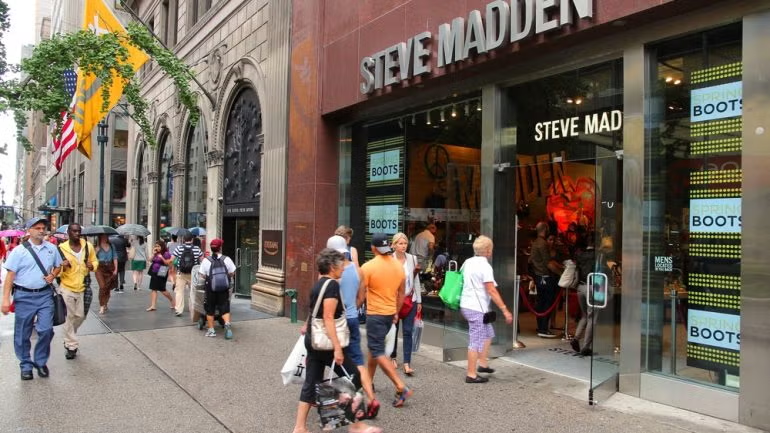
GlobalData research shows higher prices boosted September’s US retail sales growth, while modest volume gains point to selective spending ahead of the holiday season.
US retail sales increased 6.8% year on year in September 2026, but higher prices accounted for much of the growth, according to GlobalData. Gains in clothing, sporting goods and electronics offer encouragement ahead of the holiday season, although modest increases in sales volumes suggest underlying demand remains more restrained.
The GlobalData Retail Viewpoint: US retail sales for September 2026 shows annual sales growth accelerated from 4.9% in August. Core retail sales rose 5% in value terms, while volumes increased by just 1.2%.
GlobalData defines core retail as excluding foodservice, motor vehicles and petrol stations. Its growth rates compare sales with the same period a year earlier, using data that have not been seasonally adjusted.
Higher prices lift headline sales growth
September’s stronger sales figures reflect inflation as well as increased purchasing, limiting what the headline result reveals about consumer demand.
“Much of this is driven by inflation – both general product inflation and, more specifically, the sharp rise in gas prices,” GlobalData says.
Petrol station sales increased 28.4% year on year, contributing 1.9 percentage points to overall retail sales growth. That contribution rose from 1.3 percentage points in August.
For retailers assessing holiday demand, the distinction matters. Higher fuel expenditure increases total retail sales without necessarily indicating greater demand for gifts, clothing or household goods.
Core retail volume growth of 1.2% provides a more measured indication of purchasing activity. GlobalData describes this as “still respectable” given household pressures, but “significantly more muted than the headline figure”.
Retailers planning holiday inventory therefore need to distinguish higher sales values from increases in the quantities consumers are buying.
Shoppers seek savings on everyday purchases
GlobalData identifies greater selectivity in routine purchases rather than a broad withdrawal from spending.
Grocery chain sales increased 1.9% in value terms, while volumes declined 0.2%. The report also identifies pressure on household and personal care purchases as consumers become more budget-conscious.
“This choosiness, and a search to reduce spending, frees up money for more discretionary categories,” GlobalData says.
The findings suggest households are adjusting their priorities, seeking savings on everyday purchases to preserve budgets for products they particularly want. Discretionary demand can remain resilient even as consumers economise elsewhere.
For retailers, this supports category-specific planning. Everyday essentials and occasional purchases may require different ranges, pricing and promotions, even when they serve the same customers.
Clothing and sporting goods show resilience
Apparel store sales rose 5.4% year on year, with volumes increasing 2.1%. GlobalData attributes the improvement partly to late back-to-school purchases and the transition to autumn clothing.
Growth remained more subdued in basic and everyday apparel, where shoppers focused on prices and deals. The contrast reinforces the report’s assessment that consumers are economising in some areas to protect spending in others.
Sporting goods stores recorded sales growth of 9.1%. Late back-to-school demand contributed, alongside continued spending on fitness, recreation and hobbies.
GlobalData links the resilience of these purchases to consumers’ health and wellbeing priorities, indicating that selected discretionary categories continue to attract spending despite household budget pressures.
However, September benefited from seasonal purchasing that will not necessarily recur during Christmas trading. The results offer encouragement without establishing that recent growth rates will persist.
Electronics and furnishings gains warrant caution
Electronics store sales increased 8.8% year on year, while furnishings stores recorded growth of 5.3%.
GlobalData links the electronics improvement partly to consumers replacing existing devices and to new product launches, including those from Apple. Furnishings benefited from improved housing market activity.
These specific drivers limit how far September’s performance can be used to predict holiday demand.
“Neither of these sharp upticks should be taken as an indication that the categories will remain on this kind of growth trajectory,” GlobalData warns.
For inventory planning, retailers need to distinguish sustained demand from purchases prompted by replacement needs, product launches or housing transactions. Strong recent sales alone may not justify larger stock commitments.
Non-store retailers, including online businesses, recorded annual sales growth of 7.9%. This adds to the evidence of continued spending, although the figure measures sales value rather than quantities purchased.
Holiday spending outlook remains uneven
GlobalData’s assessment of the final quarter is cautiously positive. It identifies some tightening in consumer spending, but not enough to suggest an imminent broad retreat.
“Consumers seem to have a determination to enjoy the holidays, which always gives impetus to spending,” the report says.
Its principal warning concerns how expenditure will be distributed: “Despite the strong headline numbers, the distribution of growth is such that the outcome of the holidays will be polarized.”
For international retailers operating in or supplying the US market, September signals continued demand rather than a broad acceleration ahead of the holiday season. Consumers are still making discretionary purchases, but higher prices explain much of the headline growth and performance varies by category.
Volume trends and the factors behind individual categories’ gains offer a firmer basis for holiday planning than headline sales growth alone. The opportunity lies in identifying where shoppers remain willing to spend while maintaining clear value in the purchases they scrutinise most closely.